










© S106
Section 106 Planning Obligations
Vary or Remove, Modify or Discharge Section 106
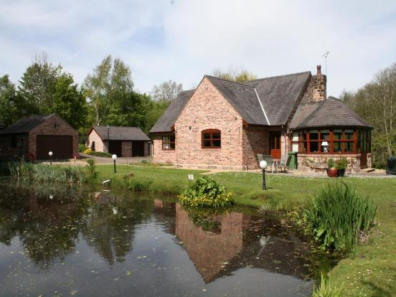
Section 106 (S106) Planning Obligation Modification and Discharge Services TOWN AND COUNTRY PLANNING ACT 1990 (AS AMENDED) THE TOWN AND COUNTRY PLANNING (MODIFICATION AND DISCHARGE OF PLANNING OBLIGATIONS) REGULATIONS 1992 Examples include agricultural workers dwelling in green belt, now open market What is a S106? It is a legal agreement outlining what you are required to do with regard to obligations to make a payment for intrastructure or affordable housing. It is advisable to obtain professional and legal advice before signing one because of the complications which may arise later. This was a ‘Fishery’ in Cheshire Green Belt, now free of restrictions Need to negotiate local planning authority demands for developer contributions for infrastructure, affordable housing, open or amenity space, education? Need a viability assessment? Need a good service at a fair price? Currently working on several sites in England and Wales, in many cases the sites are unviable or contributions are minimal, site sizes range from 1 to more than 200. Need to sell your home on the open market because purchasers and lenders are non existent? If you have an agricultural occupancy restriction or tie we can also help you. Fisheries a speciality. Also able to assist with Certificates of Lawful Existing and Proposed Development Permitted Development conversions of offices and barns to dwellings. Also removed holiday occupancy conditions on converted barns in Green Belt. Planning consultancy work welcome, service offered by retired Architectural Technician with a legal background. One Planet Development, Sustainable Development, planning and boundary disputes, easements, rights of way, covenants. Replacement for old agricultural worker dwelling was restricted to “local occupancy” and tied to farm, removed.Former agricultural and local occupancy
restrictions, and "Annexe", also ties to land
or building
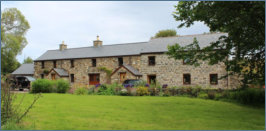
This was an agricultural workers dwelling near Carlisle, now on the open market. If you have a Section 106 restricting the occupancy of a separate building as ancillary use to the main dwelling the agreement has to meet legal and national policy tests. If you have an agricultural occupancy restriction or tie we can also help you. Fisheries a speciality. Also able to assist with Certificates of Lawful Existing and Proposed Development AB Permitted Development conversions of offices and barns to dwellings. Also removed holiday occupancy conditions on converted barns in Green Belt. Planning consultancy work welcome, service offered by retired Architectural Technician with a legal background. One Planet Development, Sustainable Development, planning and boundary disputes, easements, rights of way, covenants. Need to negotiate local planning authority demands for developer contributions for infrastructure, affordable housing, open or amenity space, education? Need a viability assessment? Need a good service at a fair price? Currently working on several sites in England and Wales, in many cases the sites are unviable or contributions are minimal, site sizes range from 1 to more than 200. Need to sell your home on the open market because purchasers and lenders are non existent? We modify, discharge or remove Section 106 planning obligations or agreements restricting occupancy to local need, affordable housing or holiday let. In Gwynedd, Powys, Anglesey Ynys Mon, Conwy, Denbighshire, Dinbych, Flintshire, Fflint, Wrexham, Wrecsam, Ceredigion, Pembrokeshire, Carmarthenshire, Monmouth, Cornwall, Yorkshire Dales, Lake District or anywhere else in Wales and England, the UK in fact. Also wrongly described as affordable occupancy restriction for a local person. If your house has one and the dwelling does not meet any reasonable definition of an 'affordable home or dwelling' please contact us ASAP, we will remove it for you. In many cases the agreement is "fatally flawed" in that the wording renders it unenforceable and therefore does not serve a proper planning function or "useful purpose" as local authority planning officers like to believe. If you have an agricultural occupancy restriction or tie we can also help you. Fisheries a speciality. Also able to assist with Certificates of Lawful Existing and Proposed Development AB Permitted Development conversions of offices and barns to dwellings. Also removed holiday occupancy conditions on converted barns in Green Belt. Planning consultancy work welcome, service offered by retired Architectural Technician with a legal background. One Planet Development, Sustainable Development, planning and boundary disputes, easements, rights of way, covenants.

“Modify or Discharge S106 Agreements”

Here is just one example of
many removed to date
Here is just one example of many removed to date: https://news.bbc.co.uk/1/hi/wales/ north_west/7726862.stm https://www.dailypost.co.uk/news/ north-wales-news/house-sale-ban- is-overturned-2805164 https://www.dailypost.co.uk/news/ local-news/porthmadog-couple- win-fight-over-2804806 https://www.dailypost.co.uk/news/ local-news/blow-key-gwynedd- housing-policy-2746754 https://www.dailypost.co.uk/news/ north-wales-news/rules-relaxed- buying-homes-rural-2737817
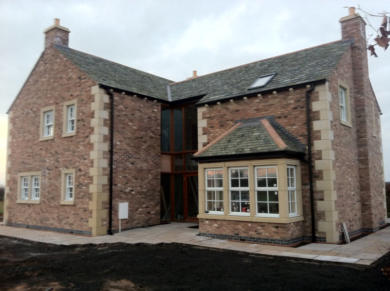
This is a converted mill which was tied to
a bunglaow on a different piece of land!
STOP - Don’t sign that agreement without
taking professional advice. Sign in haste,
repent at leisure. Planning obligations can
be negotiated to keep both sides happy.
Do you have local occupancy clause
problems? They can prevent you selling
your home because mortgage lenders are
unwilling to consider a mortgage due to
the onerous wording.
The local connection in perpetuity is
just one obstacle, you may also lack a
mortgagee in possession caluse. There
are very few mortgage lenders in this
market so please be careful, we can
point you in the right direction.





© S106
Section 106 Planning
Obligations
Vary or Remove, Modify or
Discharge Section 106
Section 106 (S106) Planning Obligation Modification and Discharge Services TOWN AND COUNTRY PLANNING ACT 1990 (AS AMENDED) THE TOWN AND COUNTRY PLANNING (MODIFICATION AND DISCHARGE OF PLANNING OBLIGATIONS) REGULATIONS 1992 Examples include agricultural workers dwelling in green belt, now open market What is a S106? It is a legal agreement outlining what you are required to do with regard to obligations to make a payment for intrastructure or affordable housing. It is advisable to obtain professional and legal advice before signing one because of the complications which may arise later. This was a ‘Fishery’ in Cheshire Green Belt, now free of restrictions Need to negotiate local planning authority demands for developer contributions for infrastructure, affordable housing, open or amenity space, education? Need a viability assessment? Need a good service at a fair price? Currently working on several sites in England and Wales, in many cases the sites are unviable or contributions are minimal, site sizes range from 1 to more than 200. Need to sell your home on the open market because purchasers and lenders are non existent? If you have an agricultural occupancy restriction or tie we can also help you. Fisheries a speciality. Also able to assist with Certificates of Lawful Existing and Proposed Development Permitted Development conversions of offices and barns to dwellings. Also removed holiday occupancy conditions on converted barns in Green Belt. Planning consultancy work welcome, service offered by retired Architectural Technician with a legal background. One Planet Development, Sustainable Development, planning and boundary disputes, easements, rights of way, covenants. Replacement for old agricultural worker dwelling was restricted to “local occupancy” and tied to farm, removed.Former agricultural and local occupancy
restrictions, and "Annexe", also ties to land or
building
This was an agricultural workers dwelling near Carlisle, now on the open market. If you have a Section 106 restricting the occupancy of a separate building as ancillary use to the main dwelling the agreement has to meet legal and national policy tests. If you have an agricultural occupancy restriction or tie we can also help you. Fisheries a speciality. Also able to assist with Certificates of Lawful Existing and Proposed Development AB Permitted Development conversions of offices and barns to dwellings. Also removed holiday occupancy conditions on converted barns in Green Belt. Planning consultancy work welcome, service offered by retired Architectural Technician with a legal background. One Planet Development, Sustainable Development, planning and boundary disputes, easements, rights of way, covenants. Need to negotiate local planning authority demands for developer contributions for infrastructure, affordable housing, open or amenity space, education? Need a viability assessment? Need a good service at a fair price? Currently working on several sites in England and Wales, in many cases the sites are unviable or contributions are minimal, site sizes range from 1 to more than 200. Need to sell your home on the open market because purchasers and lenders are non existent? We modify, discharge or remove Section 106 planning obligations or agreements restricting occupancy to local need, affordable housing or holiday let. In Gwynedd, Powys, Anglesey Ynys Mon, Conwy, Denbighshire, Dinbych, Flintshire, Fflint, Wrexham, Wrecsam, Ceredigion, Pembrokeshire, Carmarthenshire, Monmouth, Cornwall, Yorkshire Dales, Lake District or anywhere else in Wales and England, the UK in fact. Also wrongly described as affordable occupancy restriction for a local person. If your house has one and the dwelling does not meet any reasonable definition of an 'affordable home or dwelling' please contact us ASAP, we will remove it for you. In many cases the agreement is "fatally flawed" in that the wording renders it unenforceable and therefore does not serve a proper planning function or "useful purpose" as local authority planning officers like to believe. If you have an agricultural occupancy restriction or tie we can also help you. Fisheries a speciality. Also able to assist with Certificates of Lawful Existing and Proposed Development AB Permitted Development conversions of offices and barns to dwellings. Also removed holiday occupancy conditions on converted barns in Green Belt. Planning consultancy work welcome, service offered by retired Architectural Technician with a legal background. One Planet Development, Sustainable Development, planning and boundary disputes, easements, rights of way, covenants.

“Modify or Discharge
S106 Agreements”

Here is just one example of many
removed to date
Here is just one example of many removed to date: https://news.bbc.co.uk/1/hi/wales/north_we st/7726862.stm https://www.dailypost.co.uk/news/north- wales-news/house-sale-ban-is-overturned- 2805164 https://www.dailypost.co.uk/news/local- news/porthmadog-couple-win-fight-over- 2804806 https://www.dailypost.co.uk/news/local- news/blow-key-gwynedd-housing-policy- 2746754 https://www.dailypost.co.uk/news/north- wales-news/rules-relaxed-buying-homes- rural-2737817
© S106
“Modify or Discharge S106 Agreements”
Planning consultant
Paralegal s106 agreements
Planning obligations can cause problems with your development from the moment you speak to a planning officer, many local authorities have adopted policies which create a culture of “You want planning you must sign here”. The initial problem is knowing what the planners can and cannot do and once you have signed that legally binding contract you will have great difficulty overcoming the issues you will encounter that you may not have even considered. You need to get advice before you submit a planning application. Points of interest will be: Finding out what the planners want Offering what you can afford Negotiating the heads of terms Refusing to provide certain contribtions Being businesslike and assertive Knowing that a firm refusal to provide affordable housing isn’t a valid reason for the planners to refuse permission to develop a site Section 106 agreements have to meet several legal and policy tests, they also have to be enforceable and precise.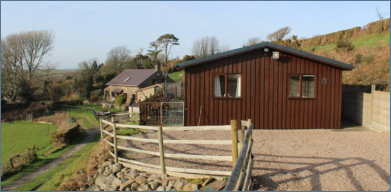
Annexe? Don’t think so
Many local authorities try to tie garden buildings to the main
house, here is a ridiculous example.
Government Initiatives
The government sees the need for much more new housing than is currently being built but Section 106 negotiations are holding up the system, particularly among self-build and small builders. They are minded to remove the burden for these developments. Don’t sign anything until you have presented your case as to the viability of the development.Don’t sign that legal agreement without advice
Sign in haste, repent at leisure. Get a second opinio. Once you are committed the hard work is ahead of you if the proposals aren’t going to make you a profit.
© S106
“Modify or Discharge
S106 Agreements”
Planning consultant
Paralegal s106 agreements
Planning obligations can cause problems with your development from the moment you speak to a planning officer, many local authorities have adopted policies which create a culture of “You want planning you must sign here”. The initial problem is knowing what the planners can and cannot do and once you have signed that legally binding contract you will have great difficulty overcoming the issues you will encounter that you may not have even considered. You need to get advice before you submit a planning application. Points of interest will be: Finding out what the planners want Offering what you can afford Negotiating the heads of terms Refusing to provide certain contribtions Being businesslike and assertive Knowing that a firm refusal to provide affordable housing isn’t a valid reason for the planners to refuse permission to develop a site Section 106 agreements have to meet several legal and policy tests, they also have to be enforceable and precise.
Annexe? Don’t think so
Many local authorities try to tie garden buildings to the main house,
here is a ridiculous example.
Government Initiatives
The government sees the need for much more new housing than is currently being built but Section 106 negotiations are holding up the system, particularly among self-build and small builders. They are minded to remove the burden for these developments. Don’t sign anything until you have presented your case as to the viability of the development.Don’t sign that legal agreement without
advice
Sign in haste, repent at leisure. Get a second opinio. Once you are committed the hard work is ahead of you if the proposals aren’t going to make you a profit.
© S106
“Modify or Discharge S106 Agreements”
Local Occupancy Clause
Remove (Discharge) or modify
S106 agreements (obligations)
Section 106 agreements (old version section 52) are a legally binding contract attached to planning permission. Make sure you are happy with the content before you sign. Not all planning consultants have legal experience and not all lawyers have planning experience in this particular field. Many services offer to reduce or even remove the obligations demanded by the planners but they may not understand the complicated legal wording that some developers have signed up to in ignorance. We modify, discharge or remove Section 106 planning obligations or agreements restricting occupancy to local need, affordable housing or holiday let. Also wrongly described as affordable occupancy restriction for a local person. If your house has one and the dwelling does not meet any reasonable definition of an 'affordable home or dwelling' please contact us ASAP, we will remove it for you. In many cases the agreement is "fatally flawed" in that the wording renders it unenforceable and therefore does not serve a proper planning function or "useful purpose" as local authority planning officers like to believe.Reduced costs for clients
Expensive Obligations £186,000 on Affordable on 20 houses in Suffolk £123,000 on Affordable on 10 flats in Folkestone £50,000 on open space on Manchester development £360,000 on all obligations Chorley Onerous obligations Occupancy restrictions removed in 10 counties Obligations amended in 30 counties Problematic Planning Conditions Parking permit restrictions removed Unnecessary conditions removed
Negotiating Heads of Terms
If avoiding all contributions is out of the question you have to negotiate terms that are both acceptable and practical.

Scrutiny of the wording of the agreement
Most people refuse to sign legql contracts without legal advice but time and again we find someone who has signed a Section 106 agreement without understanding what it says, all they wanted was the planning permission.
Renegotiation of Planning Obligations
If you are one of the many who signed something that later becomes unworkable you need professional advice on the merits of negotiating a modification or discharge of the obligations. We have many years experience in such matters.

Local Authority Monitoring Service
Professional S106 monitoring service for local authorities. If you don’t have a dedicated monitoring officer or team we can offer a service that ensures your receipts are as high as possible and that they are paid on time.
© S106
“Modify or Discharge
S106 Agreements”
Local Occupancy Clause
Remove (Discharge) or modify S106
agreements (obligations)
Section 106 agreements (old version section 52) are a legally binding contract attached to planning permission. Make sure you are happy with the content before you sign. Not all planning consultants have legal experience and not all lawyers have planning experience in this particular field. Many services offer to reduce or even remove the obligations demanded by the planners but they may not understand the complicated legal wording that some developers have signed up to in ignorance. We modify, discharge or remove Section 106 planning obligations or agreements restricting occupancy to local need, affordable housing or holiday let. Also wrongly described as affordable occupancy restriction for a local person. If your house has one and the dwelling does not meet any reasonable definition of an 'affordable home or dwelling' please contact us ASAP, we will remove it for you. In many cases the agreement is "fatally flawed" in that the wording renders it unenforceable and therefore does not serve a proper planning function or "useful purpose" as local authority planning officers like to believe.Reduced costs for clients
Expensive Obligations £186,000 on Affordable on 20 houses in Suffolk £123,000 on Affordable on 10 flats in Folkestone £50,000 on open space on Manchester development £360,000 on all obligations Chorley Onerous obligations Occupancy restrictions removed in 10 counties Obligations amended in 30 counties Problematic Planning Conditions Parking permit restrictions removed Unnecessary conditions removed
Negotiating Heads of Terms
If avoiding all contributions is out of the question you have to negotiate terms that are both acceptable and practical.

Scrutiny of the wording of the
agreement
Most people refuse to sign legql contracts without legal advice but time and again we find someone who has signed a Section 106 agreement without understanding what it says, all they wanted was the planning permission.

Renegotiation of Planning
Obligations
If you are one of the many who signed something that later becomes unworkable you need professional advice on the merits of negotiating a modification or discharge of the obligations. We have many years experience in such matters.
© S106
“Modify or Discharge S106 Agreements”
Permitted Development
Make the most of your
Permitted Development Rights
Planning permission is not always required for household projects, commercial sites, farms or equestrian enterprises but knowing what you can do isn’t as simple as calling the planning department of your local council, all too often they don’t want to tell you everything in case you take adavantage of the many opportunities available without paying fees. There are reams of paperwork and case law on what constitues an annexe or what you can do with a caravam log cabin or shed whether it is in your garden, within your curtilage, in a wood or a paddock.
Extra Room In Your Garden - Office
An extra room for your kids, granny or home office may seem a challenge but never fera, give us a call.
Conversion of outbuildings
Do you own a barn or a shed and want to know what you can do with it? We can tell you for a small fee.
Caravan for accommodation or shelter
A caravan is outside planning law, it is what you do with the land it sits on that matters.
Greenhouse, Stables, Field Shelter
There are things you can do that don’t need planning permission and there are ways around it if you do.
© S106
“Modify or Discharge
S106 Agreements”
Permitted Development
Make the most of your Permitted
Development Rights
Planning permission is not always required for household projects, commercial sites, farms or equestrian enterprises but knowing what you can do isn’t as simple as calling the planning department of your local council, all too often they don’t want to tell you everything in case you take adavantage of the many opportunities available without paying fees. There are reams of paperwork and case law on what constitues an annexe or what you can do with a caravam log cabin or shed whether it is in your garden, within your curtilage, in a wood or a paddock.
Extra Room In Your Garden -
Office
An extra room for your kids, granny or home office may seem a challenge but never fera, give us a call.
Conversion of outbuildings
Do you own a barn or a shed and want to know what you can do with it? We can tell you for a small fee.

Caravan for accommodation or
shelter
A caravan is outside planning law, it is what you do with the land it sits on that matters.
© S106
“Modify or Discharge S106 Agreements”
Change of Use
You can change the use of buildings
and/or land, sometimes without
needing planning
In many situations you can go ahead with the conversion of offices, barns, outbuildings, shops or factories.Use Classes
The Town and Country Planning (Use Classes) Order 1987 (as amended) puts uses of land and buildings into various categories known as 'Use Classes'. This Order is periodically amended, view details of the amendments. It is generally the case that you will need planning permission to change from one use class to another, although there are exceptions where the legislation does allow some changes between uses. For example, A3 uses can change to A1 uses without the need for planning permission. However, if you are proposing to change the use of a premises or land, you should always seek advice from the local planning authority to confirm whether planning permission is required or not. The following list gives an indication of the types of use which may fall within each use class. Please note that this is a guide only and it is for local planning authorities to determine, in the first instance, depending on the individual circumstances of each case, which use class a particular use falls into. Part A A1 Shops - Shops, retail warehouses, hairdressers, undertakers, travel and ticket agencies, post offices, pet shops, sandwich bars, showrooms, domestic hire shops, dry cleaners, funeral directors and internet cafes A2 Financial and professional services - Financial services such as banks and building societies, professional services (other than health and medical services) and including estate and employment agencies. It does not include betting offices or pay day loan shops - these are now classed as “sui generis” uses (see below) A3 Restaurants and cafés - For the sale of food and drink for consumption on the premises - restaurants, snack bars and cafes A4 Drinking establishments - Public houses, wine bars or other drinking establishments (but not night clubs) including drinking establishments with expanded food provision A5 Hot food takeaways - For the sale of hot food for consumption off the premises. Part B B1 Business - Offices (other than those that fall within A2), research and development of products and processes, light industry appropriate in a residential area B2 General industrial - Use for industrial process other than one falling within class B1 (excluding incineration purposes, chemical treatment or landfill or hazardous waste) B8 Storage or distribution - This class includes open air storage. Part C C1 Hotels - Hotels, boarding and guest houses where no significant element of care is provided (excludes hostels) C2 Residential institutions - Residential care homes, hospitals, nursing homes, boarding schools, residential colleges and training centres C2A Secure Residential Institution - Use for a provision of secure residential accommodation, including use as a prison, young offenders institution, detention centre, secure training centre, custody centre, short term holding centre, secure hospital, secure local authority accommodation or use as a military barracks C3 Dwellinghouses - This class is formed of three parts C3(a) covers use by a single person or a family (a couple whether married or not, a person related to one another with members of the family of one of the couple to be treated as members of the family of the other), an employer and certain domestic employees (such as an au pair, nanny, nurse, governess, servant, chauffeur, gardener, secretary and personal assistant), a carer and the person receiving the care and a foster parent and foster child C3(b) covers up to six people living together as a single household and receiving care e.g. supported housing schemes such as those for people with learning disabilities or mental health problems C3(c) allows for groups of people (up to six) living together as a single household. This allows for those groupings that do not fall within the C4 HMO definition, but which fell within the previous C3 use class, to be provided for i.e. a small religious community may fall into this section as could a homeowner who is living with a lodger C4 Houses in multiple occupation - Small shared houses occupied by between three and six unrelated individuals, as their only or main residence, who share basic amenities such as a kitchen or bathroom. Part D D1 Non-residential institutions - Clinics, health centres, crèches, day nurseries, day centres, schools, art galleries (other than for sale or hire), museums, libraries, halls, places of worship, church halls, law court. Non-residential education and training centres D2 Assembly and leisure - Cinemas, music and concert halls, bingo and dance halls (but not night clubs), swimming baths, skating rinks, gymnasiums or area for indoor or outdoor sports and recreations (except for motor sports, or where firearms are used). Sui Generis Certain uses do not fall within any use class and are considered 'sui generis'. Such uses include: betting offices/shops, pay day loan shops, theatres, larger houses in multiple occupation, hostels providing no significant element of care, scrap yards. Petrol filling stations and shops selling and/or displaying motor vehicles. Retail warehouse clubs, nightclubs, launderettes, taxi businesses and casinos. Before you negotiate a lease or buy a property for your business, check whether you need to obtain planning permission for your intended use, and, if so, your chances of getting it.
Turn Offices Into Dwellings
Look no further, call us on 07597762120
Conversion of outbuildings
This is a tricky are that is far more interesting in England than it is in Wales
Loft Conversions
Does a loft conversion need planning permission or building control approvall?
Convert Garage to Extra Room
Do you need planning?
© S106
“Modify or Discharge
S106 Agreements”
Change of Use
You can change the use of buildings
and/or land, sometimes without
needing planning
In many situations you can go ahead with the conversion of offices, barns, outbuildings, shops or factories.Use Classes
The Town and Country Planning (Use Classes) Order 1987 (as amended) puts uses of land and buildings into various categories known as 'Use Classes'. This Order is periodically amended, view details of the amendments. It is generally the case that you will need planning permission to change from one use class to another, although there are exceptions where the legislation does allow some changes between uses. For example, A3 uses can change to A1 uses without the need for planning permission. However, if you are proposing to change the use of a premises or land, you should always seek advice from the local planning authority to confirm whether planning permission is required or not. The following list gives an indication of the types of use which may fall within each use class. Please note that this is a guide only and it is for local planning authorities to determine, in the first instance, depending on the individual circumstances of each case, which use class a particular use falls into. Part A A1 Shops - Shops, retail warehouses, hairdressers, undertakers, travel and ticket agencies, post offices, pet shops, sandwich bars, showrooms, domestic hire shops, dry cleaners, funeral directors and internet cafes A2 Financial and professional services - Financial services such as banks and building societies, professional services (other than health and medical services) and including estate and employment agencies. It does not include betting offices or pay day loan shops - these are now classed as “sui generis” uses (see below) A3 Restaurants and cafés - For the sale of food and drink for consumption on the premises - restaurants, snack bars and cafes A4 Drinking establishments - Public houses, wine bars or other drinking establishments (but not night clubs) including drinking establishments with expanded food provision A5 Hot food takeaways - For the sale of hot food for consumption off the premises. Part B B1 Business - Offices (other than those that fall within A2), research and development of products and processes, light industry appropriate in a residential area B2 General industrial - Use for industrial process other than one falling within class B1 (excluding incineration purposes, chemical treatment or landfill or hazardous waste) B8 Storage or distribution - This class includes open air storage. Part C C1 Hotels - Hotels, boarding and guest houses where no significant element of care is provided (excludes hostels) C2 Residential institutions - Residential care homes, hospitals, nursing homes, boarding schools, residential colleges and training centres C2A Secure Residential Institution - Use for a provision of secure residential accommodation, including use as a prison, young offenders institution, detention centre, secure training centre, custody centre, short term holding centre, secure hospital, secure local authority accommodation or use as a military barracks C3 Dwellinghouses - This class is formed of three parts C3(a) covers use by a single person or a family (a couple whether married or not, a person related to one another with members of the family of one of the couple to be treated as members of the family of the other), an employer and certain domestic employees (such as an au pair, nanny, nurse, governess, servant, chauffeur, gardener, secretary and personal assistant), a carer and the person receiving the care and a foster parent and foster child C3(b) covers up to six people living together as a single household and receiving care e.g. supported housing schemes such as those for people with learning disabilities or mental health problems C3(c) allows for groups of people (up to six) living together as a single household. This allows for those groupings that do not fall within the C4 HMO definition, but which fell within the previous C3 use class, to be provided for i.e. a small religious community may fall into this section as could a homeowner who is living with a lodger C4 Houses in multiple occupation - Small shared houses occupied by between three and six unrelated individuals, as their only or main residence, who share basic amenities such as a kitchen or bathroom. Part D D1 Non-residential institutions - Clinics, health centres, crèches, day nurseries, day centres, schools, art galleries (other than for sale or hire), museums, libraries, halls, places of worship, church halls, law court. Non-residential education and training centres D2 Assembly and leisure - Cinemas, music and concert halls, bingo and dance halls (but not night clubs), swimming baths, skating rinks, gymnasiums or area for indoor or outdoor sports and recreations (except for motor sports, or where firearms are used). Sui Generis Certain uses do not fall within any use class and are considered 'sui generis'. Such uses include: betting offices/shops, pay day loan shops, theatres, larger houses in multiple occupation, hostels providing no significant element of care, scrap yards. Petrol filling stations and shops selling and/or displaying motor vehicles. Retail warehouse clubs, nightclubs, launderettes, taxi businesses and casinos. Before you negotiate a lease or buy a property for your business, check whether you need to obtain planning permission for your intended use, and, if so, your chances of getting it.
Turn Offices Into Dwellings
Look no further, call us on 07597762120

Conversion of outbuildings
This is a tricky are that is far more interesting in England than it is in Wales

Loft Conversions
Does a loft conversion need planning permission or building control approvall?
© S106
“Modify or Discharge S106 Agreements”
Lawful Development
Is what you have been doing for
years now lawful?
Planning permission becomes unnecessary after you have been using land for certain activities for a period of 4 or 10 years or if a proposed use is lawful but knowing what you can do isn’t as simple as calling the planning department of your local council, all too often they don’t want to tell you everything in case you take adavantage of the many opportunities available without paying fees. There are reams of paperwork and case law on what constitues lawful development.
Not In Accordance With The Plans
If something you build was nothing like the drawings in a material way you may be able to regularise it by using a lawful development existing use, call us to find out if your project is possible.
In Breach Of Planning Conditions
If a planning conditions said you had to use the property in a certainn way and you failed to do that it may be immune from enforcemant after 10 years. We can tell you for a small fee.
In Breach Of A Section 106 Agreement
After 12 years a breach of contract becomes immune from action, in fact a period in excess of 6 years may be impossible to enforce.

Use Of A Building as Class C3 Dwelling
This becomes lawful after just 4 years.
© S106
“Modify or Discharge
S106 Agreements”
Lawful Development
Is what you have been doing for
years now lawful?
Planning permission becomes unnecessary after you have been using land for certain activities for a period of 4 or 10 years or if a proposed use is lawful but knowing what you can do isn’t as simple as calling the planning department of your local council, all too often they don’t want to tell you everything in case you take adavantage of the many opportunities available without paying fees. There are reams of paperwork and case law on what constitues lawful development.
Not In Accordance With The
Plans
If something you build was nothing like the drawings in a material way you may be able to regularise it by using a lawful development existing use, call us to find out if your project is possible.
In Breach Of Planning
Conditions
If a planning conditions said you had to use the property in a certainn way and you failed to do that it may be immune from enforcemant after 10 years. We can tell you for a small fee.

In Breach Of A Section 106
Agreement
After 12 years a breach of contract becomes immune from action, in fact a period in excess of 6 years may be impossible to enforce.
© S106
“Modify or Discharge S106 Agreements”
CONTACT - S106
No Obligation Advice
Please don’t be afraid to ask a question, we can offer basic advice for a flat fee without any obligation, however that fee is deducted from future costs if you instruct us later.Areas Covered - England and Wales
We operate in all local authority areas in England and Wales. In Gwynedd, Powys, Anglesey Ynys Mon, Conwy, Denbighshire, Dinbych, Flintshire, Fflint, Wrexham, Wrecsam, Ceredigion, Pembrokeshire, Carmarthenshire, Monmouth, Cornwall, Yorkshire Dales, Lake District, London, Islington or anywhere else in Wales and England, the UK in fact.


© S106
“Modify or Discharge
S106 Agreements”
CONTACT - S106
No Obligation Advice
Please don’t be afraid to ask a question, we can offer basic advice for a flat fee without any obligation, however that fee is deducted from future costs if you instruct us later.Areas Covered - England and Wales
We operate in all local authority areas in England and Wales. In Gwynedd, Powys, Anglesey Ynys Mon, Conwy, Denbighshire, Dinbych, Flintshire, Fflint, Wrexham, Wrecsam, Ceredigion, Pembrokeshire, Carmarthenshire, Monmouth, Cornwall, Yorkshire Dales, Lake District, London, Islington or anywhere else in Wales and England, the UK in fact.


© S106
“Modify or Discharge S106 Agreements”

Privacy notice.
We are committed to maintaining the trust and confidence of our visitors to
our web site. We want you to know that we are not in the business of selling,
renting or trading email lists with other companies and businesses for marketing
purposes. We just don’t do that sort of thing. But just in case you don’t
believe us, in this Privacy Policy, we’ve provided lots of detailed information
on when and why we collect your personal information, how we use it, the
limited conditions under which we may disclose it to others and how we
keep it secure.
We don’t use cookies. Cookies are small text files that are sent to and
stored on your computer whenever you visit a website. The same thing
happens if you use a smartphone or any other web-enabled dece to access
the internet.
When someone visits www.S106.co.uk we use a third-party service, Google
Analytics, to collect standard internet log information and details of visitor
behaviour patterns. We do this to find out things such as the number of
visitors to the various parts of the site. This information is only processed
in a way which does not identify anyone. We do not make, and do not allow
Google to make, any attempt to find out the identities of those visiting our
website.
We don’t operate a mailing list.
If you agree that we need to appoint a third party such as a solicitor or
other professional specialist, we will need to share your contact details and
information relating to the work we are carrying out on your behalf. We will
never share any details with any other entity for any purpose whatsoever.
The information we hold will be your name, address, contact telephone
number, email addresses, relevant planning information on council
websites plus anything else relevant to the work we carry out on your
behalf.
Your data is held in a password protected file on a personal computer
behind two firewalls.
© S106
“Modify or Discharge
S106 Agreements”
Privacy notice.
We are committed to
maintaining the trust and confidence of our visitors to our web site. We want
you to know that we are not in the business of selling, renting or trading
email lists with other companies and businesses for marketing purposes. We
just don’t do that sort of thing. But just in case you don’t believe us, in this
Privacy Policy, we’ve provided lots of detailed information on when and why
we collect your personal information, how we use it, the limited conditions
under which we may disclose it to others and how we keep it secure.
We don’t use cookies. Cookies are small text files that are sent to and stored
on your computer whenever you visit a website. The same thing happens if
you use a smartphone or any other web-enabled device to access the
internet.
When someone visits www.S106.co.uk we use a third-party service, Google
Analytics, to collect standard internet log information and details of visitor
behaviour patterns. We do this to find out things such as the number of
visitors to the various parts of the site. This information is only processed in
a way which does not identify anyone. We do not make, and do not allow
Google to make, any attempt to find out the identities of those visiting our
website.
We don’t operate a mailing list.
If you agree that we need to appoint a third party such as a solicitor or other
professional specialist, we will need to share your contact details and
information relating to the work we are carrying out on your behalf. We will
never share any details with any other entity for any purpose whatsoever.
The information we hold will be your name, address, contact telephone
number, email addresses, relevant planning information on council websites
plus anything else relevant to the work we carry out on your behalf.
Your data is held in password protected file on a personal computer behind
two firewalls.